Best Conditions for Paddle Boarding: Wind, Water & Weather Guide
Knowing the best conditions for paddle boarding is essential for both safety and enjoyment. Whether you're paddling on a calm lake, exploring the coast, or heading out on the ocean, understanding the best wind conditions for paddle boarding, water conditions, and weather forecasts helps you make better decisions before every session.
A high-quality stand up paddle board helps you feel safe and confident on the water. The right SUP accessories also ensure you're well prepared if conditions change unexpectedly. This guide covers everything from the best sea conditions for paddle boarding to cold weather paddle boarding and even how to stay safe during a heatwave in Europe.
What Are the Best Conditions for Paddle Boarding?
The Best Paddle Boarding Conditions are:
- Wind below 10 mph (16 km/h)
- Calm or flat water
- Good visibility
- Stable weather
- Early morning
- Comfortable temperatures
Choosing the right conditions can make the difference between a relaxing paddle and a dangerous experience. Wind, water, weather, and your own skill level all play an important role.
Whether you're exploring a calm lake, paddling along the coast, or enjoying a slow-moving river, understanding the conditions before launching helps you stay safe and enjoy every session.
Pre-Launch Paddle Boarding Checklist
Ask yourself these questions before every paddle:
- Is the water calm?
- Are the wind conditions suitable?
- Is visibility clear?
- Is there any risk of thunderstorms?
- Are offshore winds expected?
- Are there strong currents?
- Am I prepared for the weather, including hot conditions and proper hydration?
If any of these conditions raise concerns, choose another time or location to paddle. Your safety should always come first.
If several unsafe conditions apply, it's better to wait for another day.
Ideal Weather for Beginners
If you're new to stand up paddle boarding, look for:
- Calm water
- Wind below 10 mph (16 km/h)
- Sunny or lightly cloudy skies
- Good visibility
- Comfortable temperatures
These conditions allow you to focus on balance and paddling technique instead of fighting the elements.
Why Conditions Matter for Safety and Enjoyment
Even experienced paddlers respect changing weather conditions.
Strong winds can quickly push you away from shore, rough water makes balancing more difficult, and poor visibility increases the risk of collisions with boats or other water users.
Checking conditions before every paddle should be part of your routine.
The Best Time of Day to Paddle
Early mornings are often the best time to paddle because the wind is usually calmer, the water is flatter, boat traffic is lighter, and temperatures are cooler.Evening sessions can also be enjoyable, although local wind patterns vary.
What Are the Best Wind Conditions for Paddle Boarding?
Wind is probably the single most important factor to consider before heading onto the water.
Ideal Wind Speed for Beginners
For beginners, the best wind conditions for paddle boarding are:
Under 8 mph (13 km/h or 7 knots): Excellent conditions for everyone, including beginners.
8–10 mph (13–16 km/h or 7-9 knots): Still very good for beginners and recreational paddlers.
10–12 mph (16–19 km/h or 9-10 knots): Beginners should start being cautious. Experienced paddlers can usually paddle comfortably.
12–15 mph (19–24 km/h or 10-13 knots): Suitable mainly for experienced paddlers. Paddling becomes noticeably more difficult, especially when heading into the wind.
Above 15 mph (24 km/h or 15 knots): Most safety experts recommend staying off the water unless you are highly experienced and the location is suitable.
When Wind Becomes Unsafe
Once winds exceed approximately 15 mph (24 km/h), controlling your board becomes much harder.
Strong winds can quickly push you offshore, increase wave height, make paddling exhausting, and make it much more difficult to return safely to your launch point.
Offshore vs. Onshore Winds
Understanding wind direction is just as important as wind speed.
Offshore winds blow away from the shore. They can carry paddlers farther from land, making them one of the biggest risks, especially for beginners.
Onshore winds blow toward the shore and are generally safer because they naturally push you back toward land.
How to Check Wind Forecasts Before You Paddle
Always check:
- Wind speed
- Wind direction
- Gusts
- Weather warnings
Forecasts are helpful, but always assess the conditions yourself once you arrive at the launch site.
Understanding Water Conditions
Water conditions affect balance, safety, and overall enjoyment.
Flat Water vs. Choppy Water
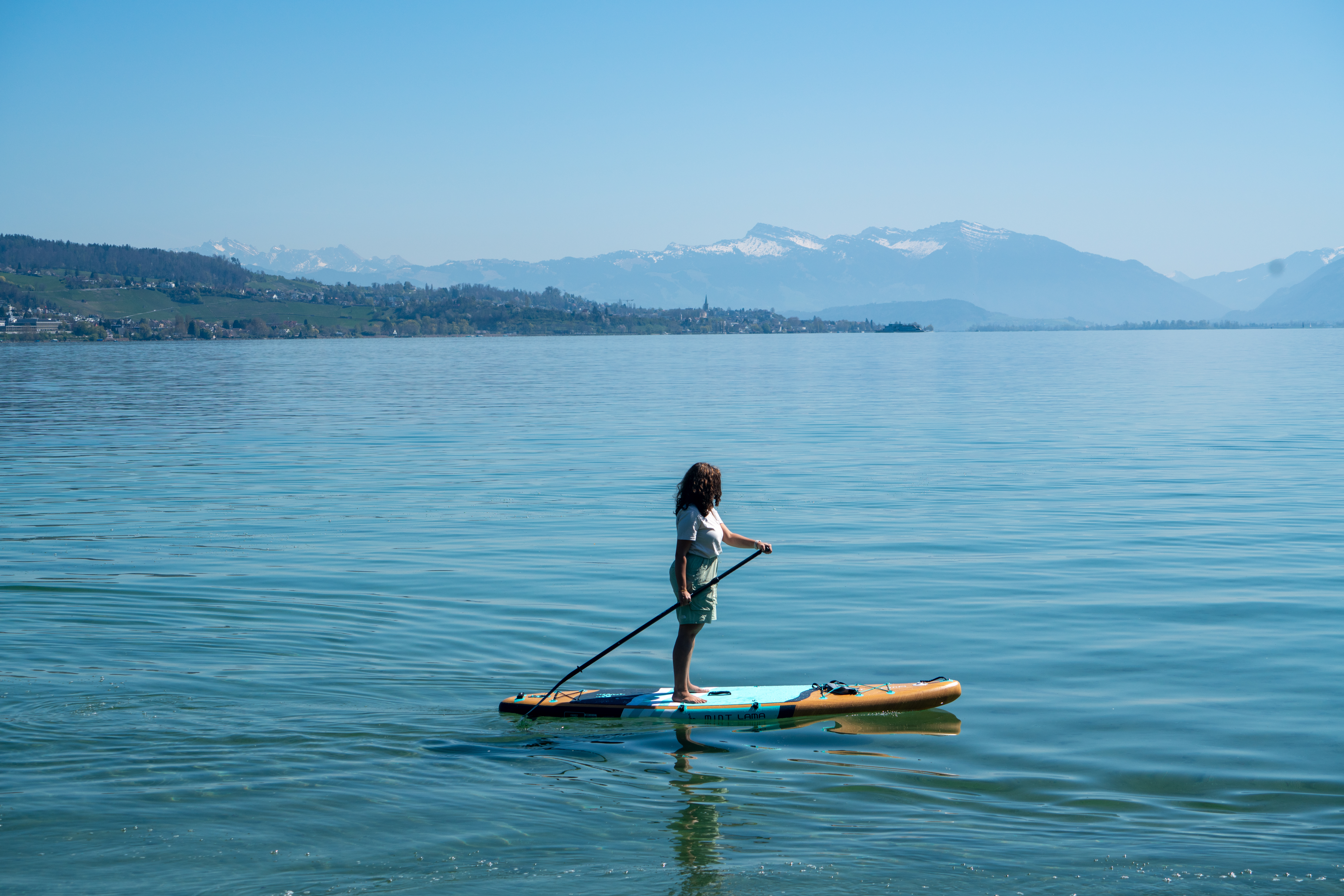
Flat water is ideal for beginners because it provides maximum stability.Choppy water caused by wind or boat traffic requires much better balance and experience.
Ocean, Lake, and River Conditions
The best conditions for paddle boarding vary depending on the type of water. On lakes, calm, flat water and light winds create ideal conditions for paddlers of all skill levels. The best sea conditions for paddle boarding include a small swell, light onshore winds, and good visibility. On rivers, look for a slow current and stable water levels to ensure a safe and enjoyable paddle.
Currents, Tides, and Swell
Ocean paddlers should always consider:
- Tides
- Ocean swell
- Rip currents
- Coastal currents
River paddlers should check:
- Water level
- Flow speed
- Obstacles
Lakes are generally the easiest environment because currents are minimal.
Reading Water Before Launching
Before Stand up Paddling, spend a few minutes observing the water. Look for whitecaps, which indicate stronger winds, watch for boat traffic and floating debris, check for strong currents, and pay attention to the direction of the waves. These simple observations can help you decide whether the conditions are safe for paddle boarding.
How Weather Affects Paddle Boarding
Weather conditions change quickly. Understanding them improves both safety and comfort.
Air Temperature vs. Water Temperature
Many paddlers only check the air temperature. However, cold water can become dangerous even on warm days. Always dress for the water temperature, not just the weather.
Rain and Visibility
Light rain is usually not dangerous. However, heavy rain reduces visibility for you and for nearby boats.
Thunderstorms and Lightning
Never paddle if thunderstorms are forecast. Lightning can strike water from several kilometres away. If you hear thunder, leave the water immediately.
Fog and Reduced Visibility
Fog makes it difficult for boats to see paddle boarders. Poor visibility significantly increases the risk of accidents.
Paddle Boarding During Hot Weather and Heatwaves
Recent heatwaves in Europe have led many people to head for lakes and beaches.
While paddle boarding is an excellent way to cool down, extremely high temperatures also create additional risks.
Risks of High Temperatures
During a Europe heatwave, paddle boarders face a higher risk of dehydration, heat exhaustion, sunburn, and reduced concentration. These issues can develop more quickly than many people realize because the sun's rays are reflected off the water, increasing your exposure to heat and UV radiation. Staying hydrated, wearing sun protection, and avoiding the hottest part of the day are essential for paddling safely during a heatwave in Europe.
These problems develop faster than many people expect because sunlight reflects from the water.
Hydration and Sun Protection
Always bring:
- Plenty of drinking water
- Sunscreen
- Sunglasses
- A hat
- UV-protective clothing
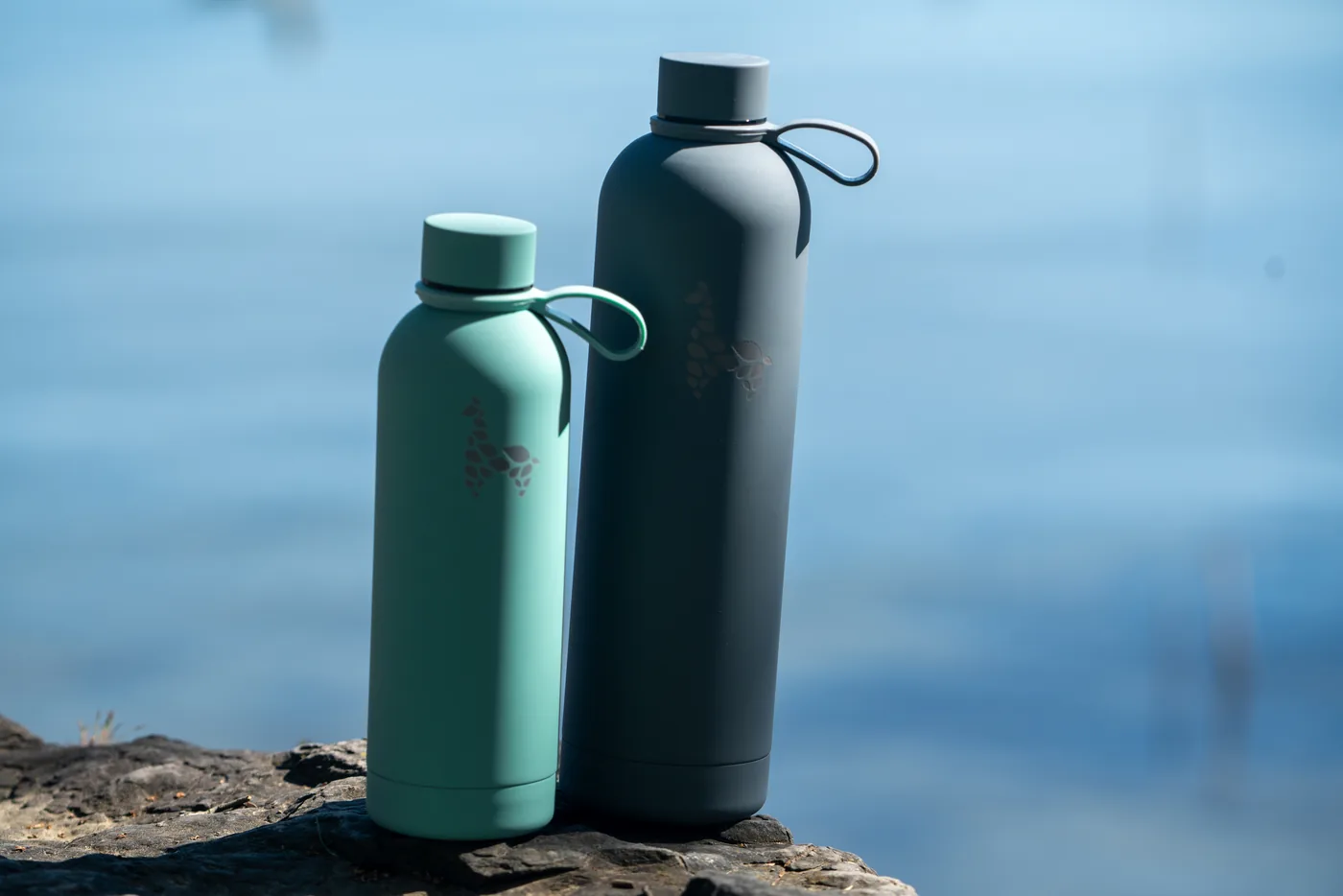
An insulated drinking bottle helps keep your water cool throughout your paddle.It's also worth carrying your essentials in a dry bag and protecting your navigation device with a waterproof phone case, especially on longer paddles.
Planning Early Morning or Evening Sessions
During a heatwave in Europe, avoid paddling between approximately 11 a.m. and 4 p.m.During a heatwave in Europe, it's best to paddle in the early morning, late afternoon, or evening. Temperatures are usually lower, the sun is less intense, and wind conditions are often calmer, creating safer and more enjoyable conditions for paddle boarding.
These times offer cooler temperatures and calmer conditions.
Paddle Boarding Safely During Europe's 2026 Heatwave
If you're paddle boarding during extremely hot weather or a Europe heatwave, take extra precautions. Keep your sessions shorter than usual, stay close to shore, drink water regularly, and take breaks in the shade whenever possible. Pay attention to your body and stop paddling immediately if you notice signs of heat exhaustion, such as dizziness, nausea, excessive fatigue, or confusion.
Seasonal Paddle Boarding Conditions
Stand Up Paddle Boarding in Spring
Spring offers calm lakes but cold water. Wear appropriate clothing and check water temperatures carefully.
Stand Up Paddle Boarding in Summer
Summer provides the warmest conditions but also:
- Crowded waterways
- Strong afternoon winds
- Higher UV exposure
Morning sessions remain the best choice.
Stand Up Paddle Boarding in Autumn
Autumn often brings:
- Beautiful scenery
- Cooler air
- Less crowded lakes
- Stable conditions
Many experienced paddlers consider autumn one of the best seasons.
Stand Up Paddle Boarding in Winter
Winter paddling requires:
- Proper cold-water clothing
- Experience
- Good planning
- Extra safety precautions
Beginners should generally avoid winter paddling.
Conditions Beginners Should Avoid
New paddlers should avoid the following conditions:
Strong Winds
Avoid paddling in winds above 15 mph (24 km/h), as strong winds can quickly push you off course and make it difficult to return to shore.
Large Waves
Large waves reduce stability, make balancing more difficult, and can quickly tire inexperienced paddlers.
Fast Currents
Strong currents can carry you away from your intended route and make paddling back much harder.
Storm Forecasts
Never paddle if storms are forecast. Strong winds, heavy rain, and lightning can develop quickly and create extremely dangerous conditions.
Extremely Hot or Cold Conditions
Both heatwaves and cold water significantly increase the risks of paddle boarding. Extreme heat can lead to dehydration, heat exhaustion, and reduced concentration, while cold water can cause cold shock, impair muscle function, and increase the risk of hypothermia if you fall in.
Key takeaways
The best conditions for paddle boarding combine calm water, light winds, stable weather, and good visibility. Understanding wind, tides, currents, water temperature, and seasonal changes helps you paddle more safely and confidently.
Remember that forecasts are only part of the picture. Always assess local conditions when you arrive, paddle within your ability, and never hesitate to postpone your session if conditions look unsafe.
With the right preparation, quality equipment, and a little planning, you'll enjoy safer and more memorable adventures on the water all year round.
For the wind speed recommendations there is no official international standard. These ranges are based on the consensus used by paddling schools, instructors, and safety organizations.
About the Author
This article was written by the MINT LAMA team. As passionate paddle boarders and outdoor enthusiasts, we regularly test our products on lakes, rivers, and the sea. Our goal is to share practical tips and reliable advice to help you enjoy every adventure on the water safely.